
Tortora
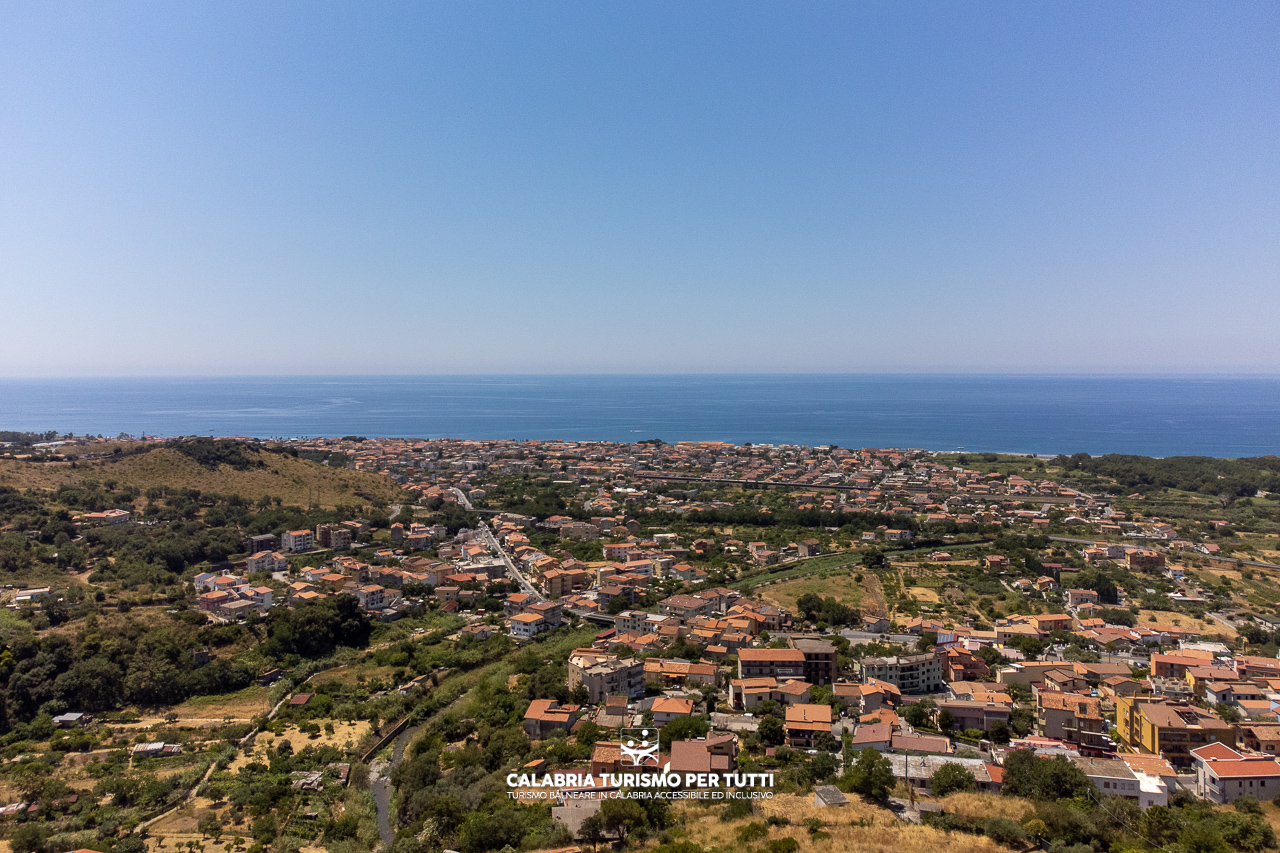
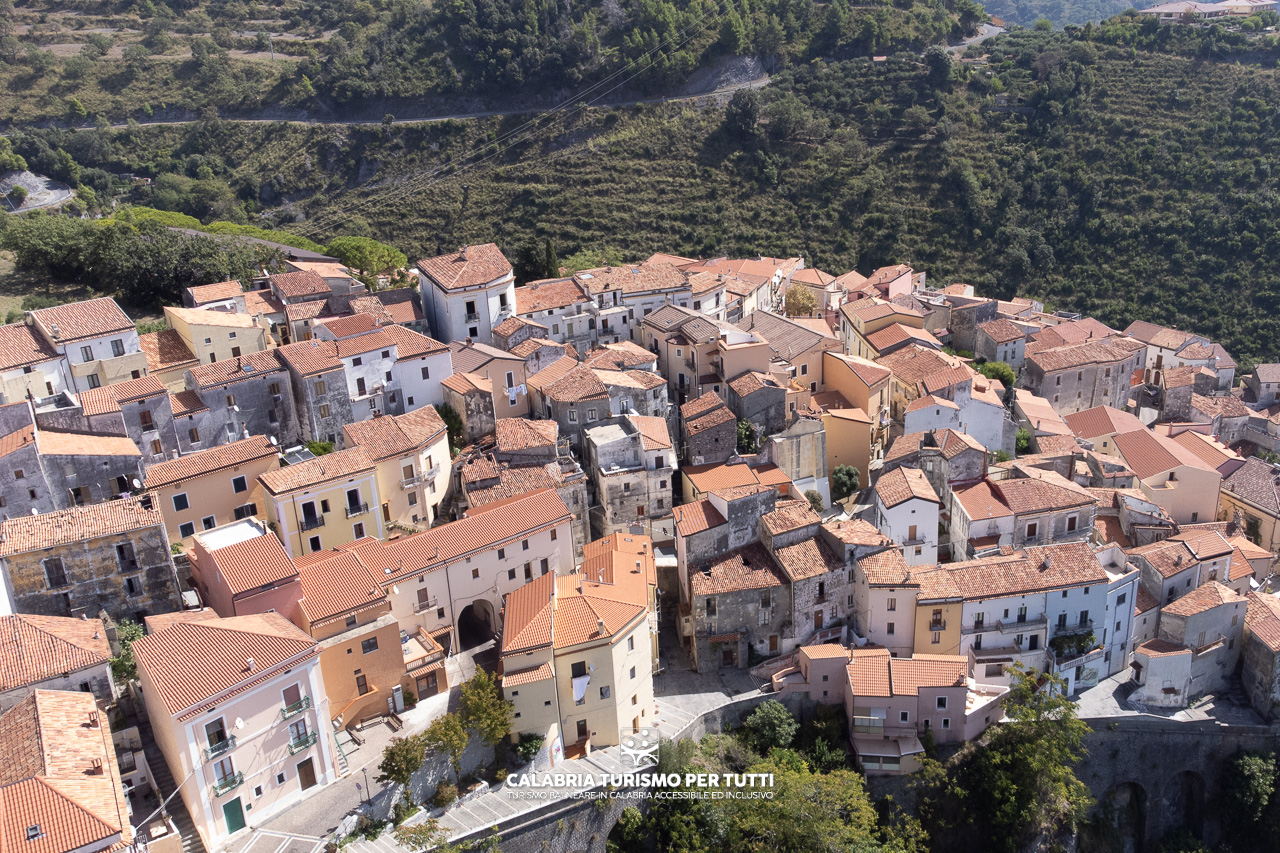
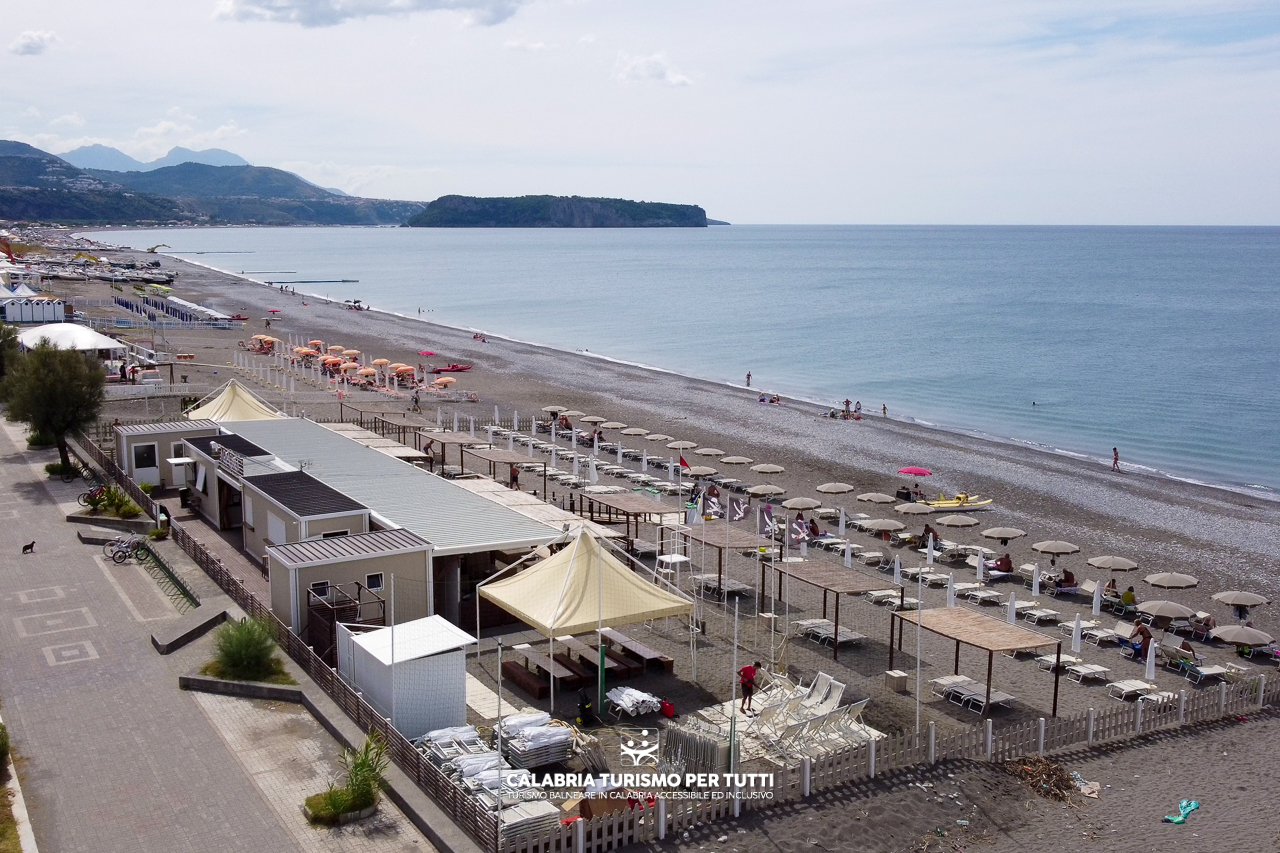
Tortora is an Italian municipality of 1,982 inhabitants in the province of Cosenza, Calabria. The inhabited centre is 390 metres above sea level, on the top of a hill overlooking the valley of the Noce River.
The municipal territory is characterised by a hilly landscape, with beech, chestnut and pine forests. The climate is temperate, with cold winters and hot summers.
Tortora is a municipality rich in history and culture. The historic centre, which is built around the Norman castle, houses numerous historical buildings, including the church of Santa Maria Assunta, the church of San Giorgio and the Palazzo Baronale.
The municipality is also an important agricultural and tourist centre. Typical products of the area are citron, bergamot and wine.
historical - religious itinerary
The first itinerary leads to the discovery of the historic center, where the main churches in the municipality are located.
It starts from Piazza Dante Alighieri, where you can admire the Church of the Souls in Purgatory (Chiesa delle Anime del Purgatorio), the oldest in the town, which features a gabled structure, topped by a small bell-gable, and a lithic portal with some zodiacal constellations carved into it.
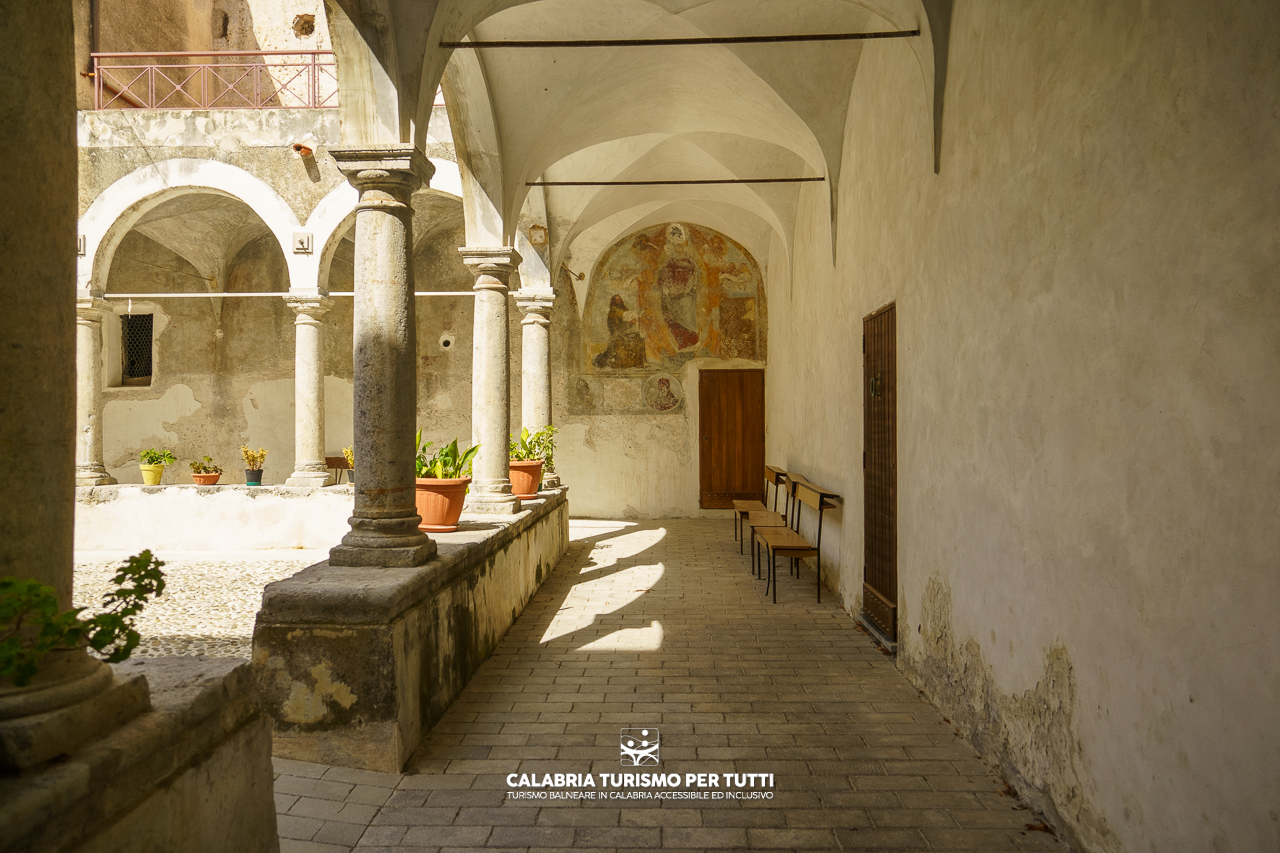
Climbing up to the upper part of the village, from which you can enjoy a breathtaking panorama of the entire valley below, you reach the Franciscan Convent. This monumental complex, built in the 16th century, also includes the Church of the Holy Annunciation (Chiesa della S.S. Annunziata) with the ancient cloister, whose construction was completed in 1628, as seen from the date sculpted on the portal’s vault. Inside, a wooden statue of Saint Anthony of Padua and several canvases depicting scenes from the Bible are preserved.
Returning to the lower part of the ancient village, you reach the Church of Saint Peter the Apostle (Chiesa di San Pietro Apostolo), built in the 14th century and expanded around the 18th century. The neoclassical entrance façade has three rectangular portals. Above, two niches house the statues of Saint Peter and Saint Paul, and in the center, there is a rose window depicting Christ Blessing. The mother church houses several wooden statues, including that of the patron saint Saint Blaise, as well as finely crafted canvases and frescoes created by Genesio Galtieri in 1768.
Historical Itinerary
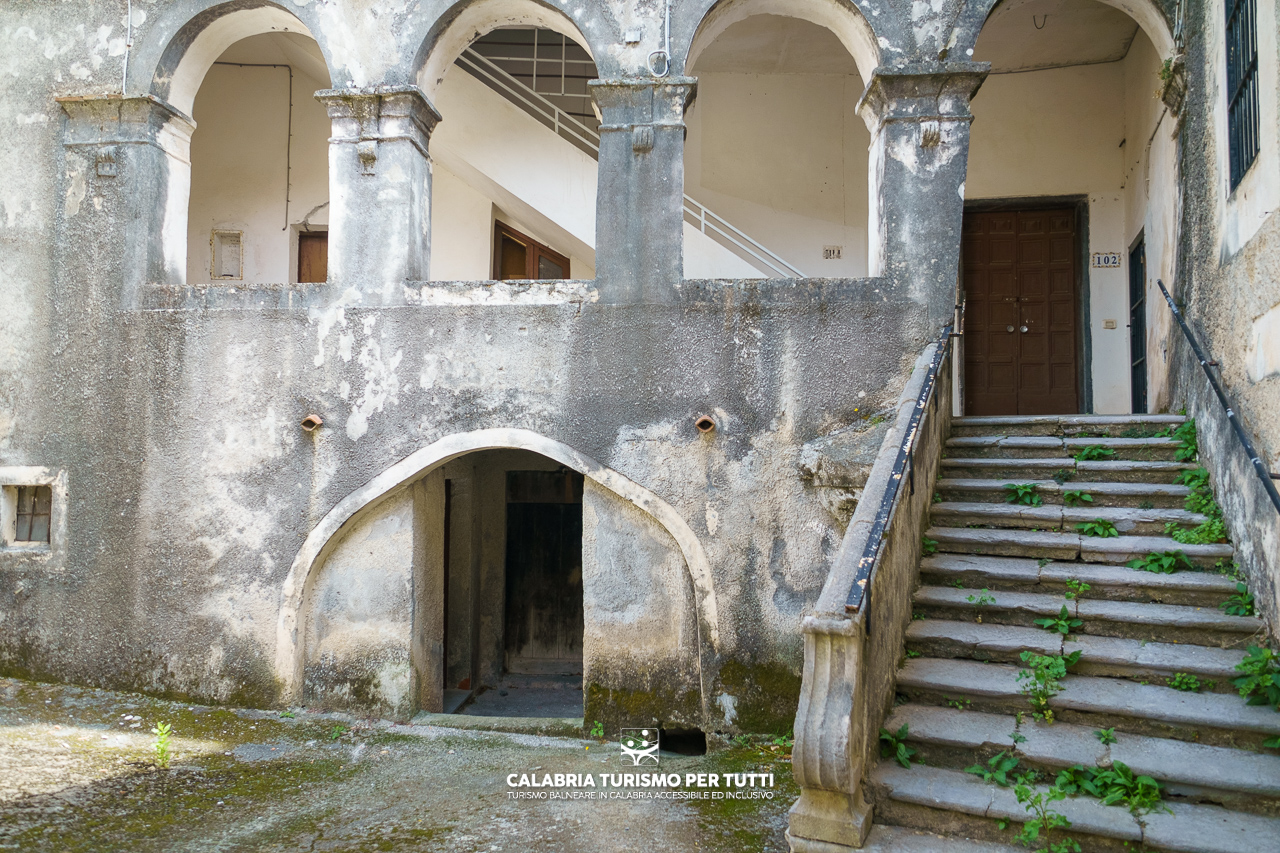
The second itinerary is a historical one that begins in the oldest part of the historic center with Palazzo Lomonaco Melazzi. The structure, currently used as private residences, features a stone entrance portal, a loggia and a staircase, as well as a marble coat of arms. Furthermore, inside, there is a painting by Genesio Galtieri from 1804, depicting Moses saved from the waters. A plaque at the entrance recalls that Giuseppe Garibaldi was hosted in this palace on September 3, 1860.
The Palazzo Casapesenna also stands in the historic center—an imposing 16th-century building that underwent numerous modifications over the centuries. Its origins seem to date back to the Byzantine era, but it was the Lombards who transformed it into a fortress, known as “The Castle of the Doves” (Il Castello delle Tortore). Over time, the palace passed through the hands of various noble families, including the Cifone, Lauria, De Montibus, Martirano, Exarquez, Ravaschieri, Vitale, and finally, the Machuca, Princes of Casapesenna.
Heading towards Tortora Marina, on a promontory near the Noce river, you can spot Torre Nave (Nave Tower), characterized by a quadrangular plan and a slightly sloped base. The tower dates back to the 16th century and belonged to the coastal defense system built under the reign of Charles V. Subjected to various renovations over time, most of the perimeter walls are visible today.
museum and archaeological itinerary
The third itinerary leads to the discovery of Tortora’s millennia-old history, which is rooted in the Roman era with the birth of Blanda Julia.
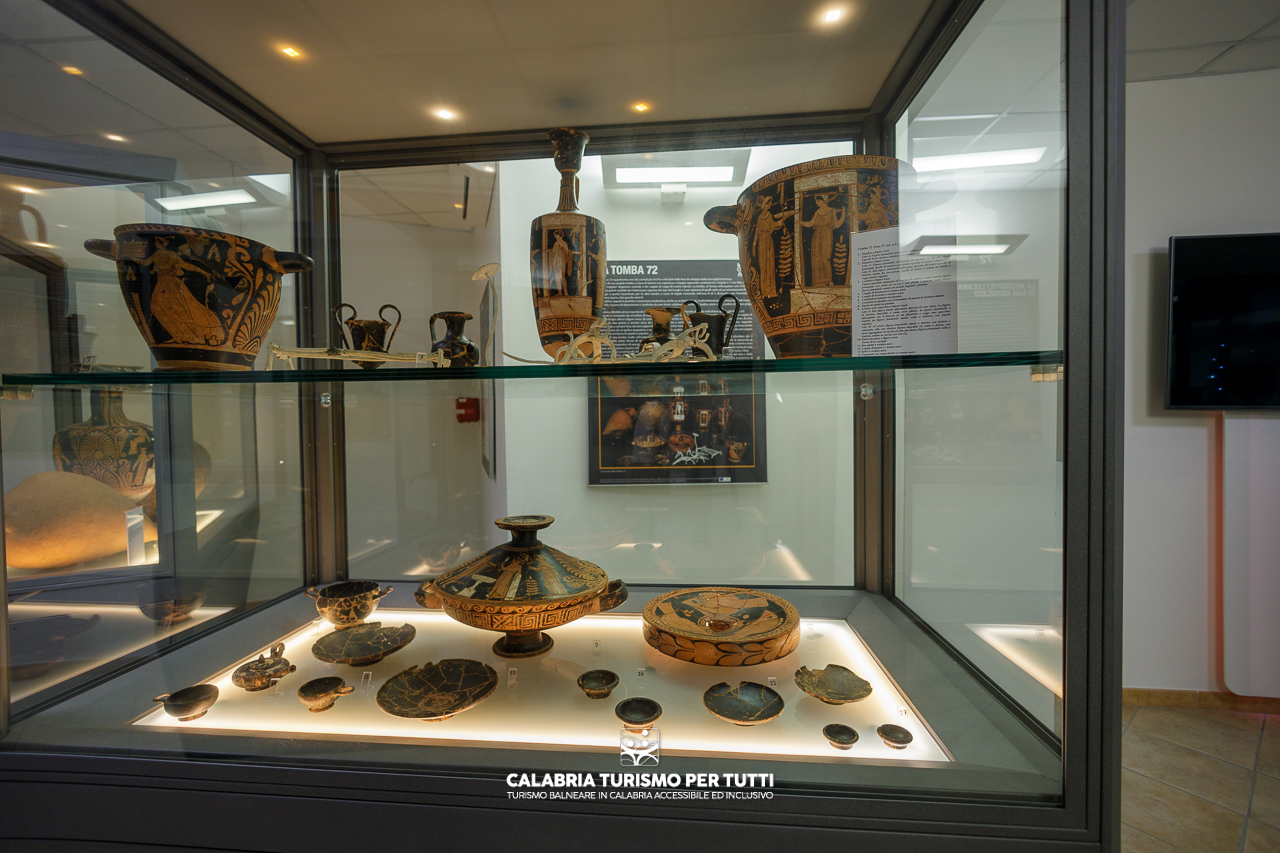
The Blanda Archaeological Museum (Museo archeologico di Blanda) is housed in the charming Palazzo Casapesenna, located in the heart of the ancient village. This museum structure offers a fascinating journey through the history of this area, thanks to important archaeological excavations that have brought to light evidence of prehistoric human settlements, dating back to the Middle Paleolithic, in addition to the remains of ancient Blanda Julia, a city that was Enotrian, Lucanian, and finally Roman over the course of history. The exhibition route is divided into five major sections, each dedicated to the different civilizations that succeeded one another in the territory. In addition to the historical artifacts, the museum offers educational panels and environmental reconstructions, making the visit a very engaging experience suitable for all ages.
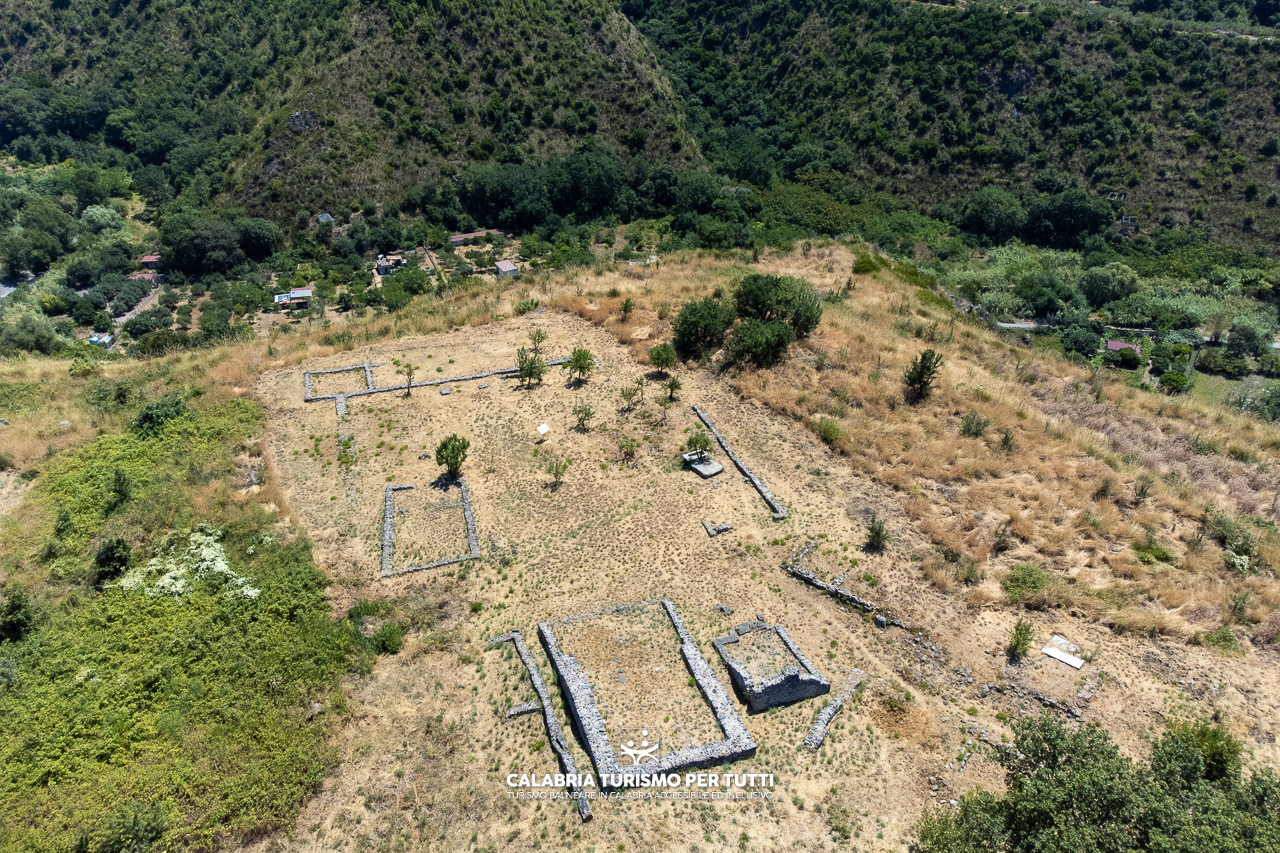
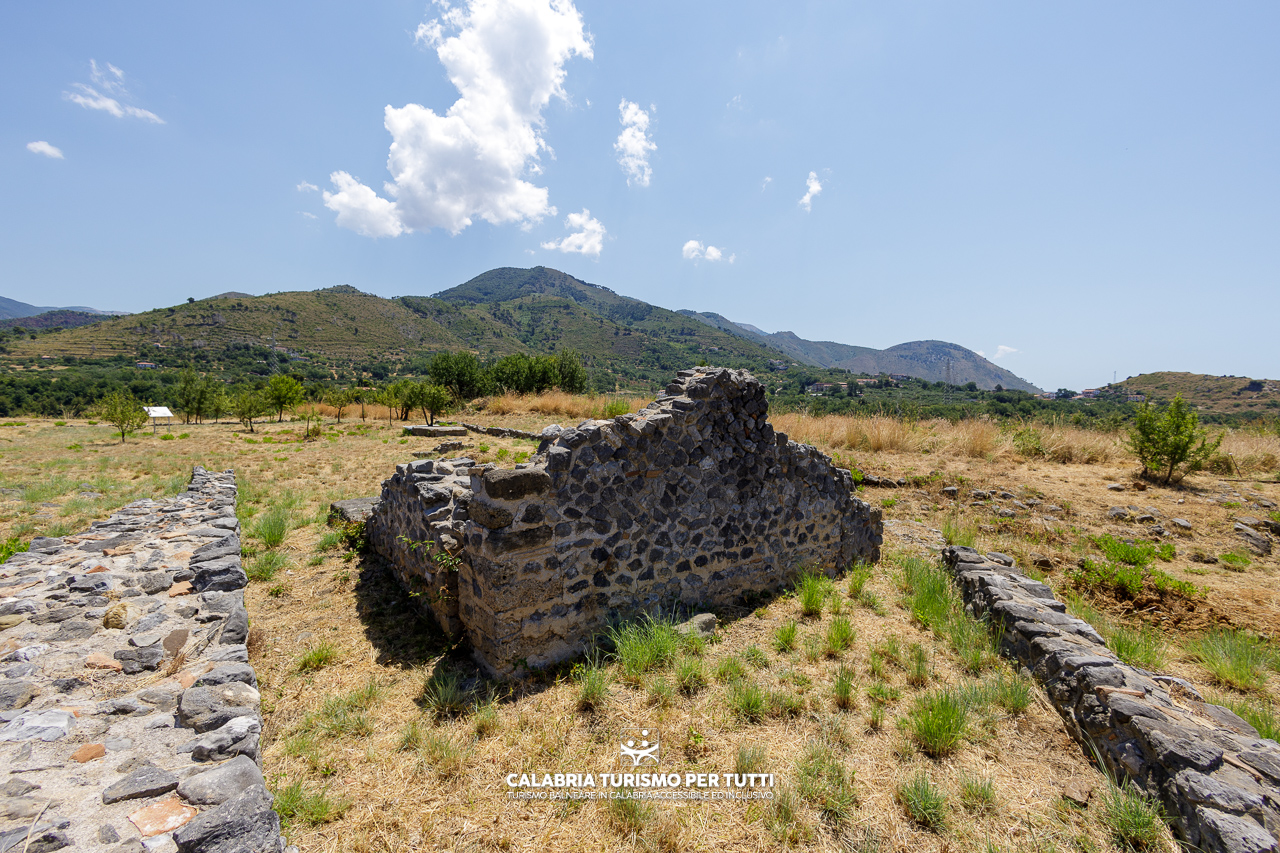
The Blanda Archaeological Park (Parco Archeologico di Blanda) represents one of the most significant sites in Calabria, both for the extent of the research conducted and the complexity of its history. The artifacts, found in the various excavation campaigns and exhibited in the museum, cover a period ranging from the Bronze Age to the late Roman Imperial era and offer important testimony to the long and rich history of this territory.
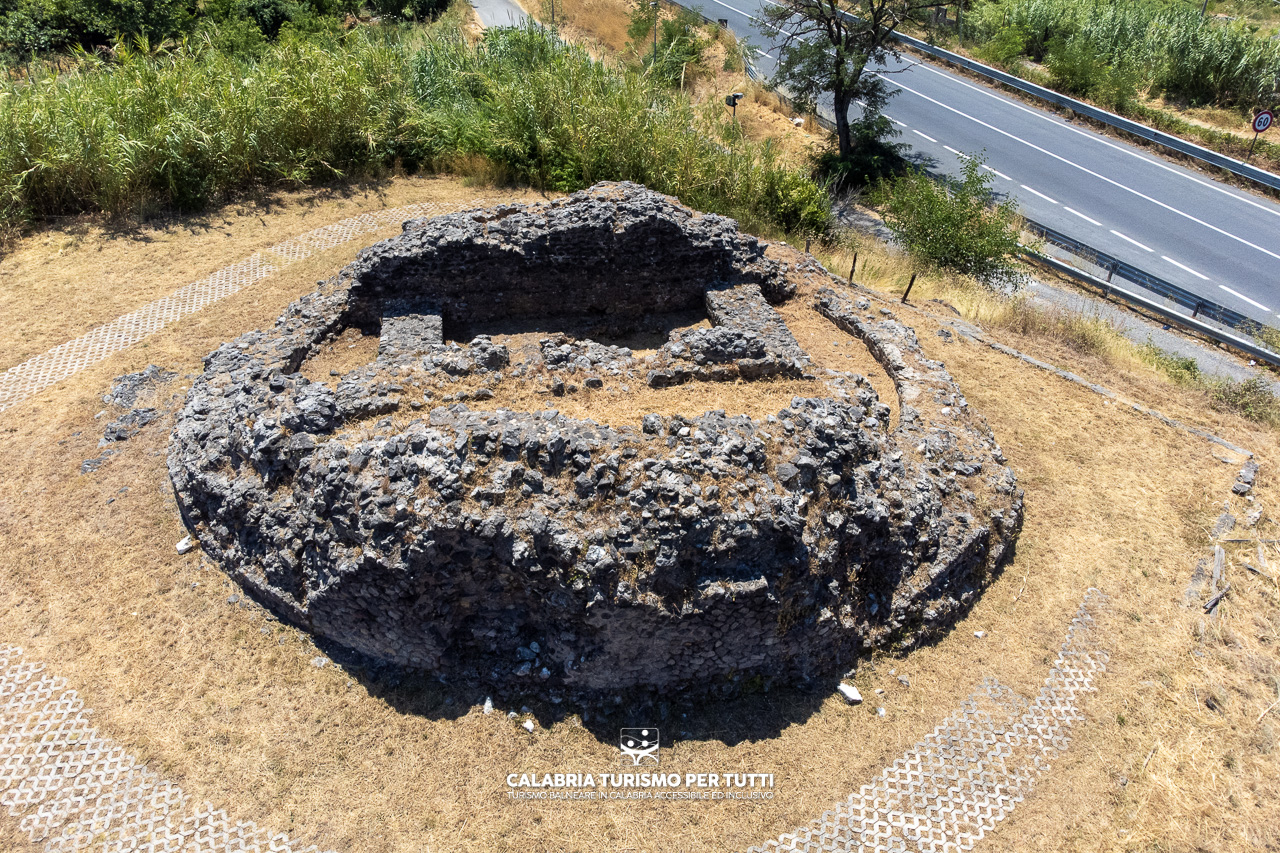
In Tortora Marina, in the Pergolo district, you can see the remains of a Roman mausoleum erected to honor an eminent figure in public life. It was an imposing circular structure, with a diameter of about 15 meters, inside which an earth mound covered a quadrangular chamber intended to house the funerary urn. A statue of the deceased towered over the top of the mound, crowning the central pillar, symbolizing the prestige and respect paid to his memory.