
Caulonia
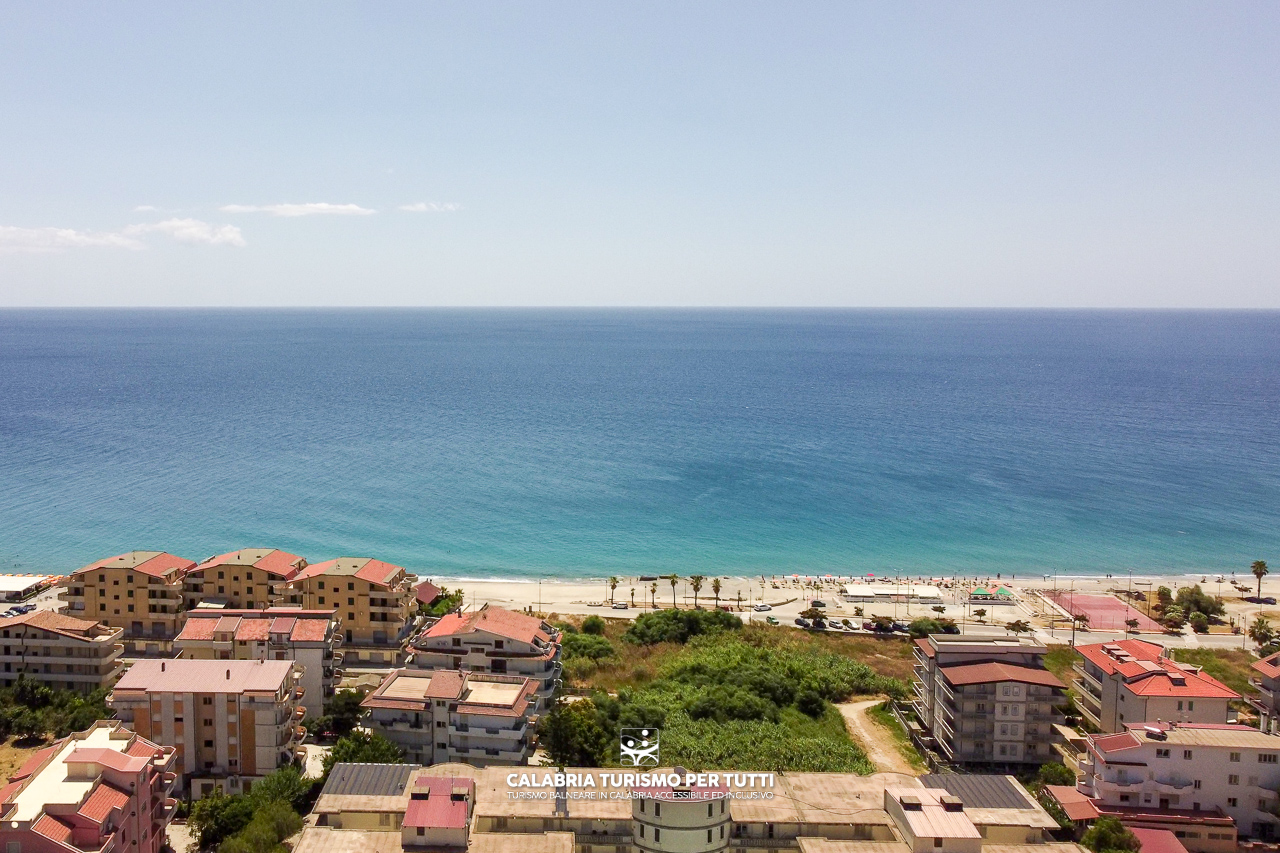
Caulonia is a fascinating place located between the coolness of the Stilaro and Allaro Valleys and the beautiful Ionian coast of Calabria.
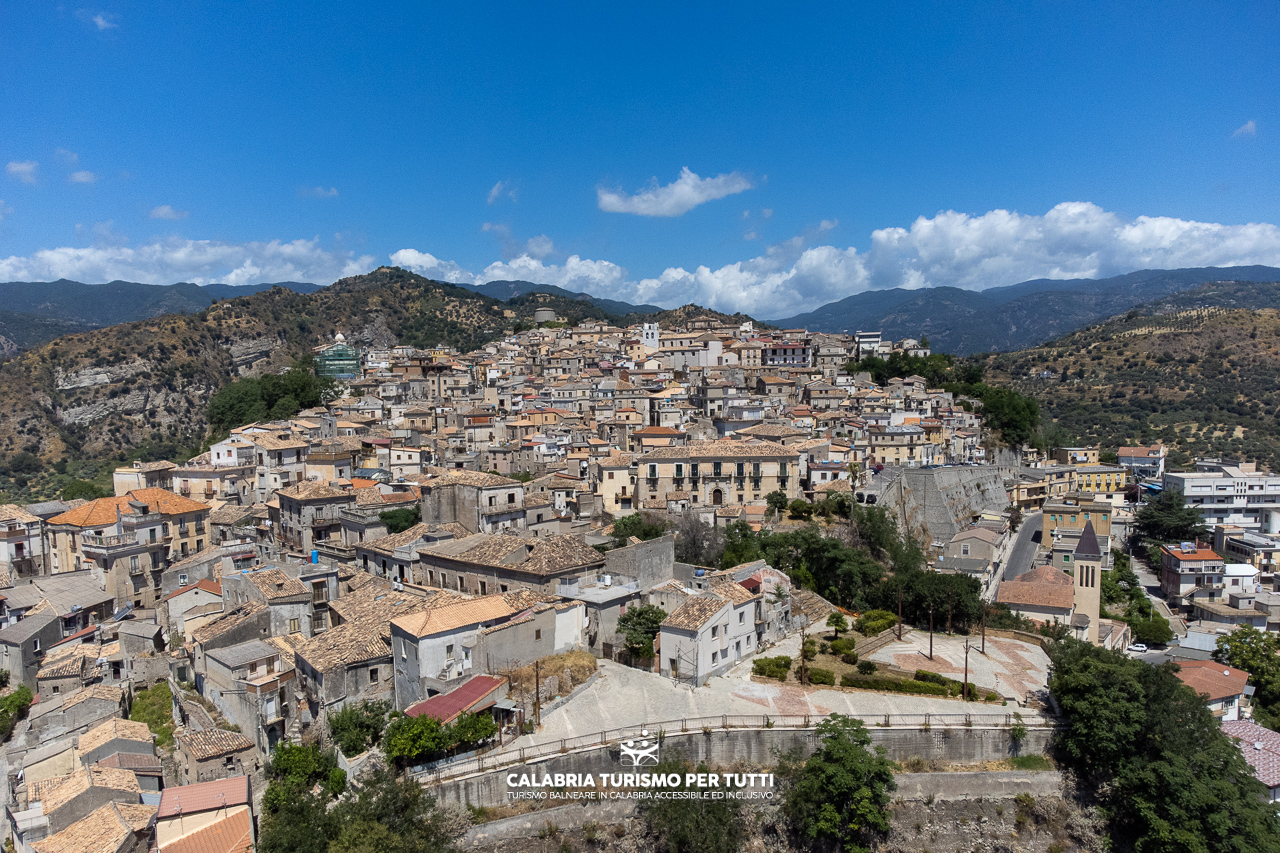
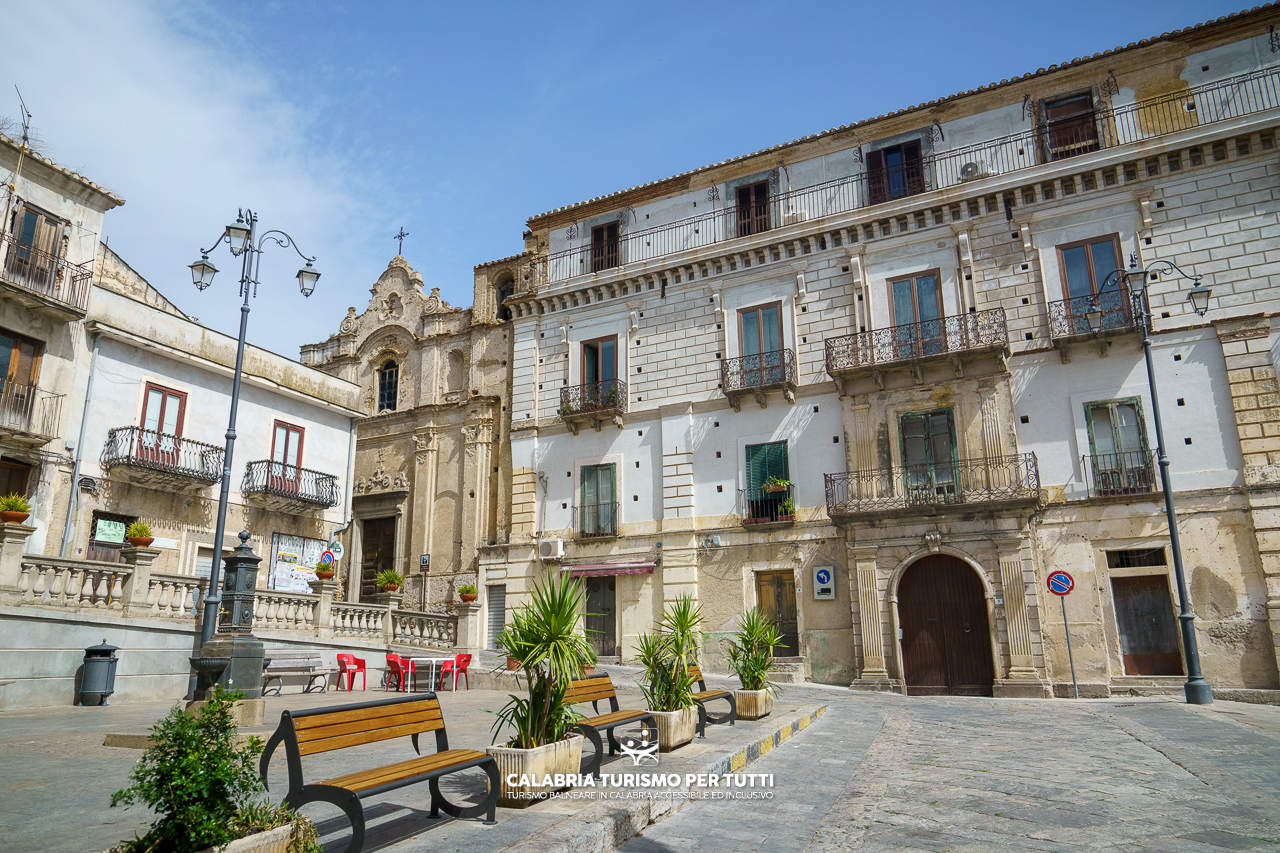
Set on three hills, it retains part of its medieval structure, Byzantine-inspired architectural motifs and numerous 17th-17th century buildings. The village winds its way through narrow, winding streets, squares of incomparable charm and splendid panoramic terraces.
This locality, formerly known as Castelvetere, is renowned as the Calabrian cradle of the tarantella. In fact, the Kaulonia Tarantella Festival and Tarantella Power workshops are held here every year during the summer. These events attract popular dance enthusiasts from all over Italy.
The town of Caulonia, situated at an altitude of 300 metres, stretches from the sea to the Calabrian greenhouses of Aspromonte.
Religious Itinerary
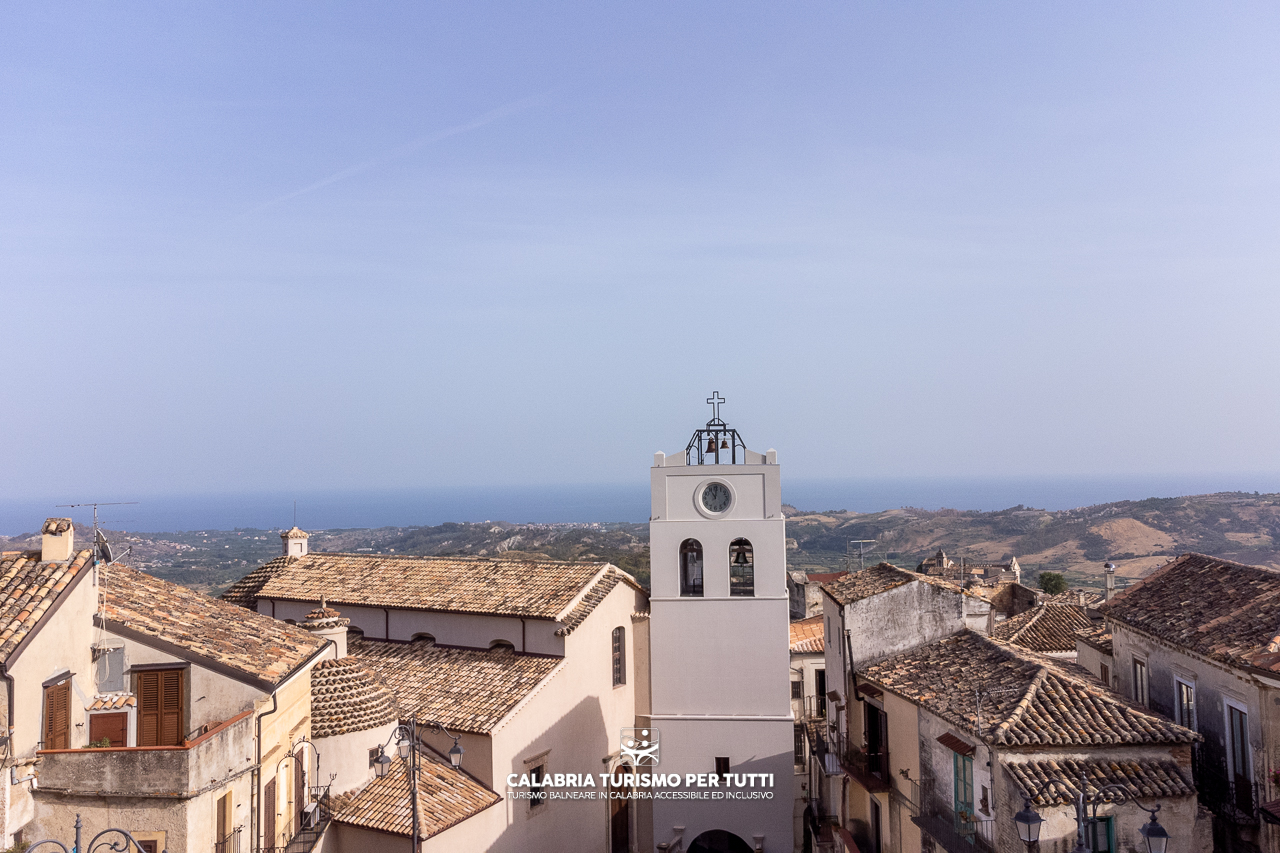
This itinerary includes some of the many churches in Caulonia. The Church of the Most Holy Rosary (Chiesa del SS Rosario), once the site of a Dominican Fathers’ convent where the philosopher Tommaso Campanella is said to have found refuge, was built on a rock from which you can admire an enchanting panorama. The Church of the Immaculate Conception (or del Carmine) has a single nave and is decorated in the Baroque style; it houses a 17th-century wooden statue of Christ at the Column and a white marble icon of the Immaculate Virgin, also from the 17th century. The Mother Church (Chiesa Matrice), with its square-section bell tower, has an interior divided into three naves. Founded in the medieval era and dedicated to Santa Maria Assunta, it was rebuilt in 1513 by Count Vincenzo Carafa. Inside, you can find the Carafa mausoleum in white marble.
A Byzantine-era fresco, most likely dating back to the 12th-13th century, depicting the iconographic theme of the “Deesis,” is all that remains of the Chapel of San Zaccaria (Chiesetta di San Zaccaria), the oldest in Caulonia. According to tradition, it was built as a place of worship by a Jew enlightened by Saint Zechariah to embrace Christianity, and it was destroyed by the earthquakes of 1783 and 1908. The fresco, enclosed in a small apse, shows Christ Pantocrator between the Madonna and Saint John and represents a valuable testament to Byzantine art.
Historical Itinerary
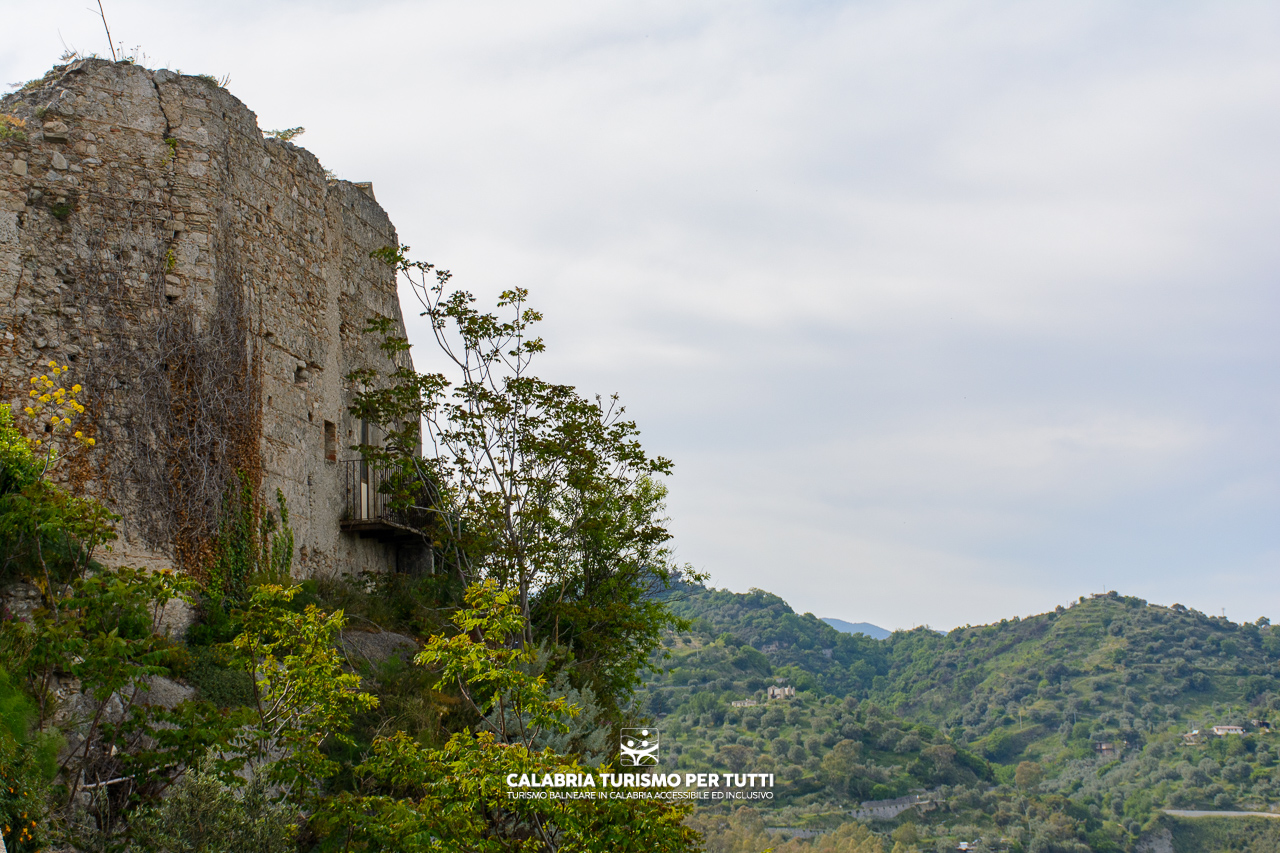
The historic center was built on a rocky spur about 300 meters high to cope with Saracen raids and to keep the town under control from enemy attacks. Testament to this is the Camillari Tower (Torre Camillari), erected in the 16th century and part of a defensive system, made up of 72 towers, that once stretched along the entire Calabrian coast.
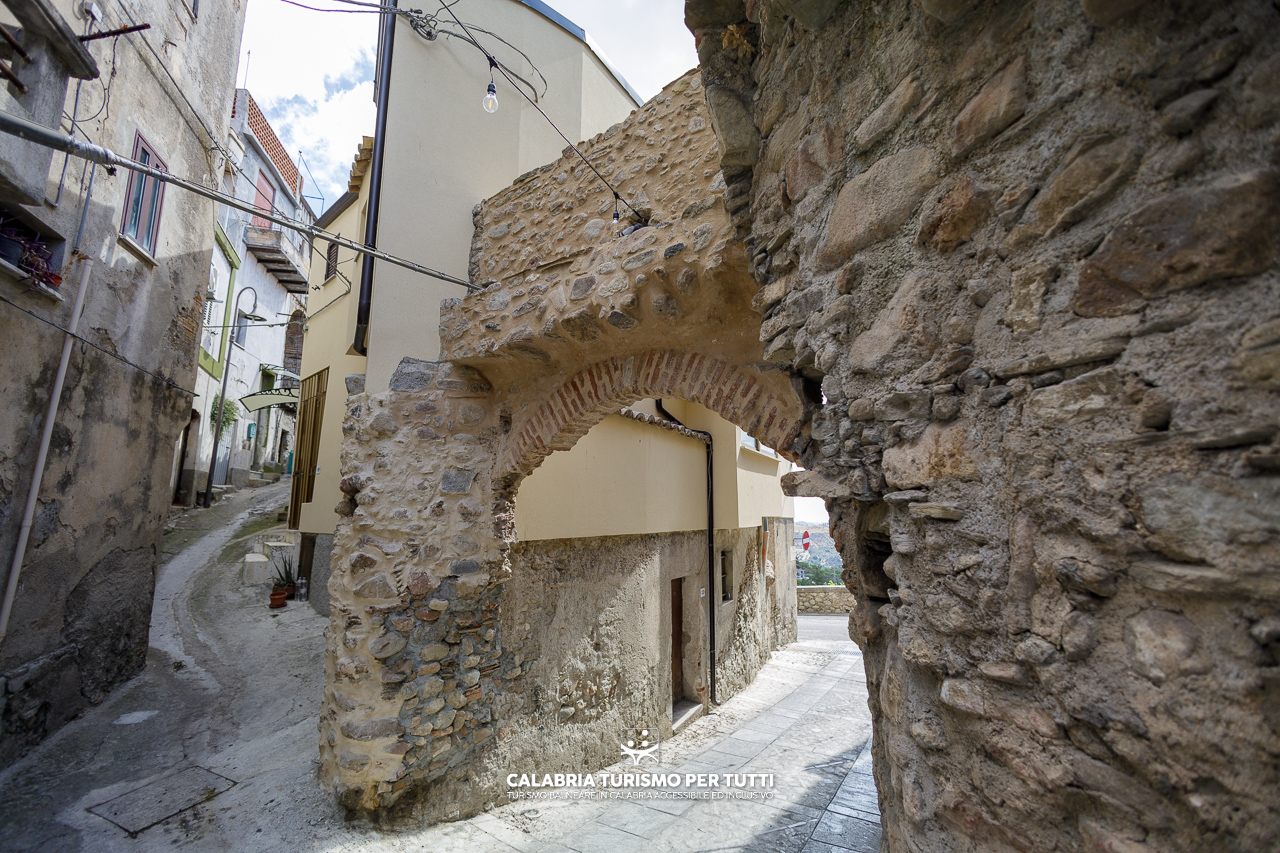
Caulonia Superiore has incorporated the ancient medieval village over the centuries, and the boundaries of the latter are still clearly visible through four medieval gates of the ancient city walls, now incorporated into the urban fabric, which face the four cardinal points respectively. They are Porta Pusterla, connected to the castle walls and built of stone and brick; Porta Amusa, which may be connected to the road along the Amusa river; Porta Allaro, the smallest, built of stone and brick facing the coast and the mouth of the Allaro river; and Porta Sant’Antonio (also called Porta del Salvatore), built of sandstone. Further evidence of the ancient past are the ruins of the castle that belonged to the Altavilla, Filangeri, Centelles, and then the Carafa families, who abandoned it following the earthquake of 1783.
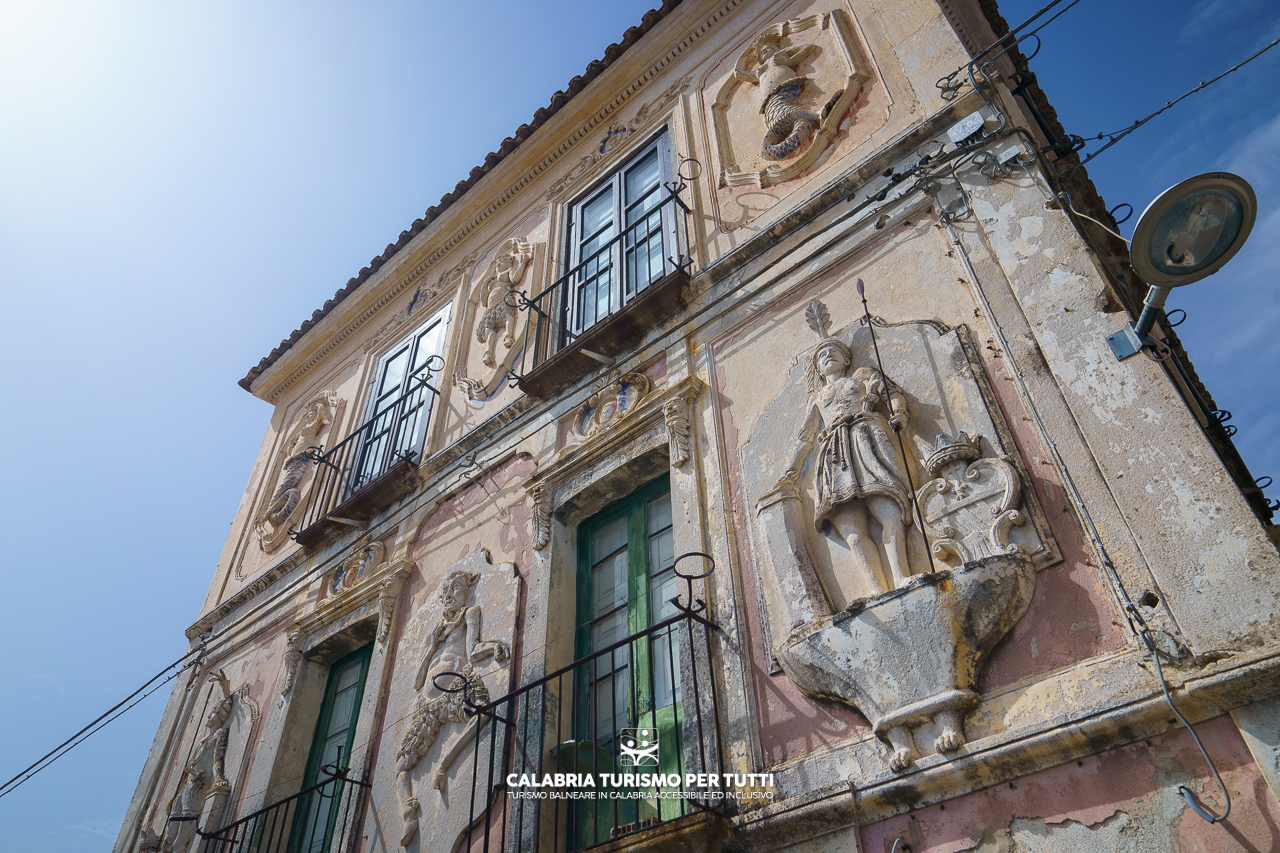
Strolling through the narrow streets that characterize the historic center, it is possible to admire stately buildings of great architectural value, such as Palazzo Cricelli, which stands out for the particularity of its balcony, or Palazzo Hyeraci, also called “Of the Devils” (Dei Diavoli), due to the distinctive high-relief sculptures on the main facade.
Hermitage of Sant'Ilarione and San Nicola Waterfalls Itinerary
Near the hamlet of San Nicola, in the municipality of Caulonia, lies the Hermitage of Sant’Ilarione (Eremo di Sant’Ilarione), an evocative place that stands on an imposing cliff, overlooking a bend of the Allaro river. The hermitage has ancient origins: initially consisting only of a tower with a chapel, it was expanded over the centuries, with the most significant intervention dating back to 1725. The church, however, was restored in 1932.
The entire architectural complex is composed of several structures that were added over time and are characterized by different heights that follow the natural slope of the cliff, adapting harmoniously to the rocky conformation of the terrain. On the eastern side is the church, with the adjacent sacristy, accessible via a long staircase that runs along the left side of the hermitage.
The hermitage represents an important link with the tradition of Italo-Greek monasticism, deeply rooted in the Calabrian territory, particularly in the Aspromonte areas. This is a spirituality, still alive today, that constitutes an element of the local cultural identity.
The complex is dedicated to Saint Hilarion, a monk originally from Palestine, whose veneration spread in Calabria between the 8th and 10th centuries, thanks to the Greek monks.
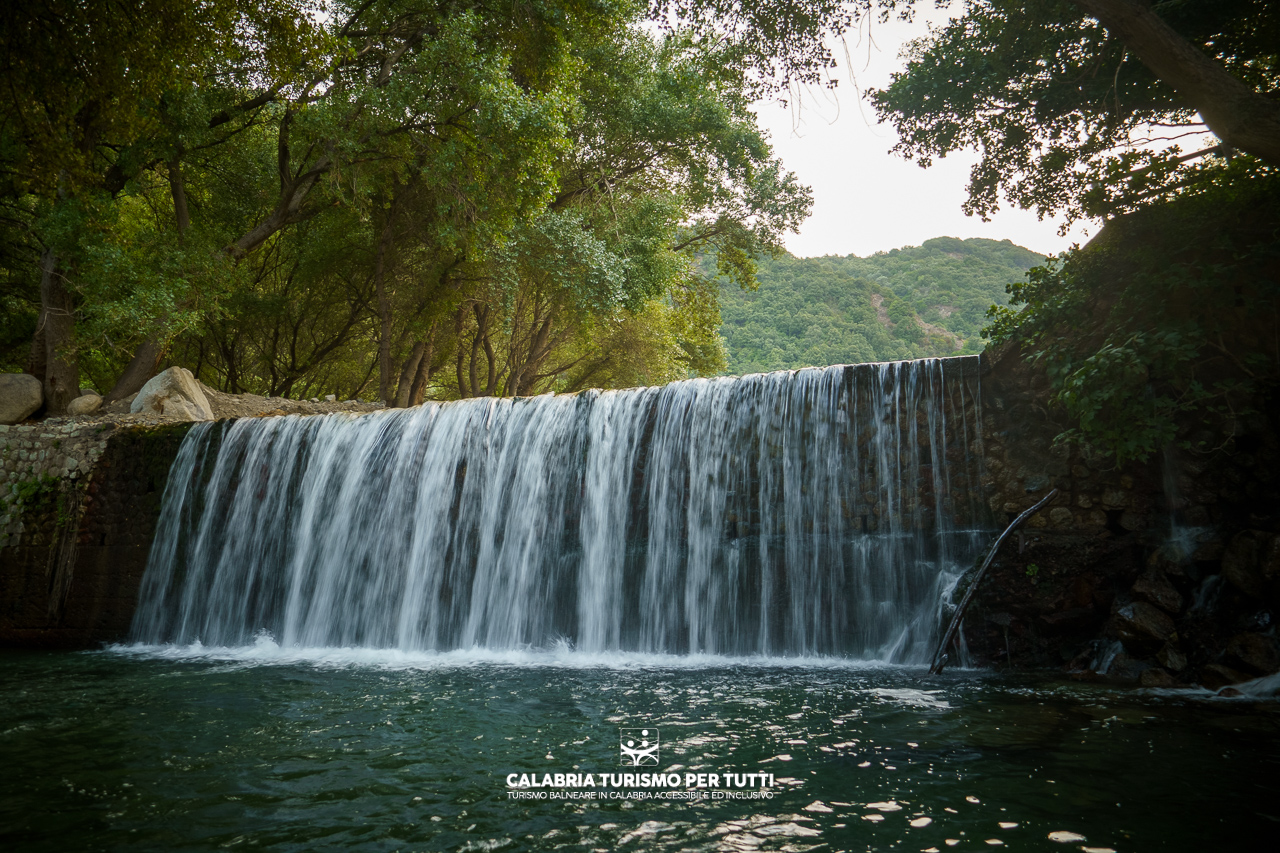
In addition to its spiritual and historical value, the Hermitage of Sant’Ilarione is striking for its spectacular position. Immersed in a natural context of great beauty, it offers breathtaking views and a rich variety of flora. Not far away are also the San Nicola Waterfalls (Cascate di San Nicola), which further enrich the visitor’s experience with another extraordinary corner of nature.