
Siderno
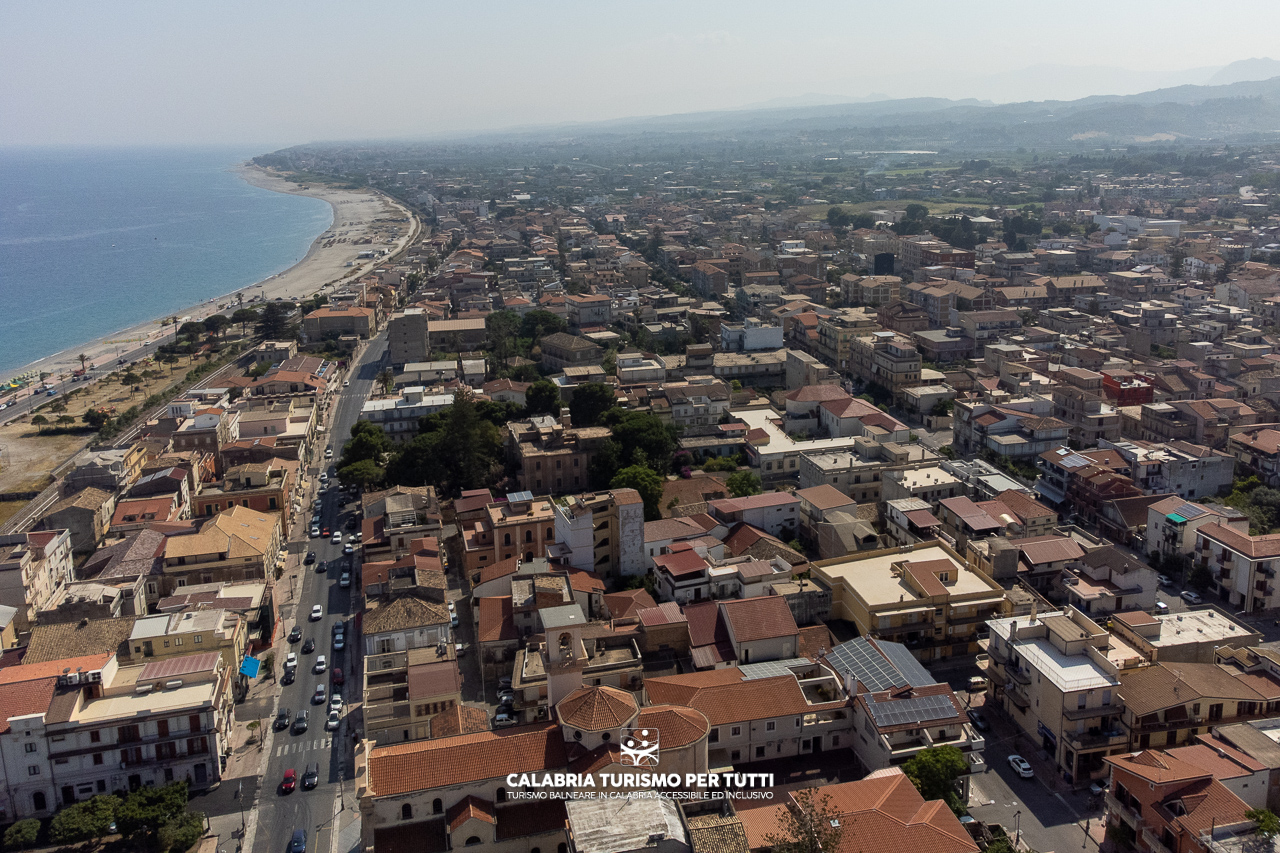
Siderno is a city located in the Calabria region of southern Italy. The city is divided into two distinctive parts: Siderno Superiore and Siderno Marina. Siderno is one of the must-see destinations when travelling the 90 kilometres of the magnificent Gelosomini coastline, where beaches with Caribbean charm alternate with green hills, clay promontories and sheer cliffs.
siderno marina
In Siderno, the connection to the sea and maritime traditions is very strong, evidenced by the Monument to the Sailor (Monumento al Marinaio), a symbol of the city, created in 1990 by the Siderno sculptor Giuseppe Correale. At the base of the bronze monument, the sea and the vortex expanding upwards represent all the dangers that sailors face, while above, three seagulls crown the mast, guided by the moon. The monument is located on the “Lungomare delle Palme” (Palm Seaside Promenade), a landmark for the many tourists who choose this Locride municipality as their summer destination.
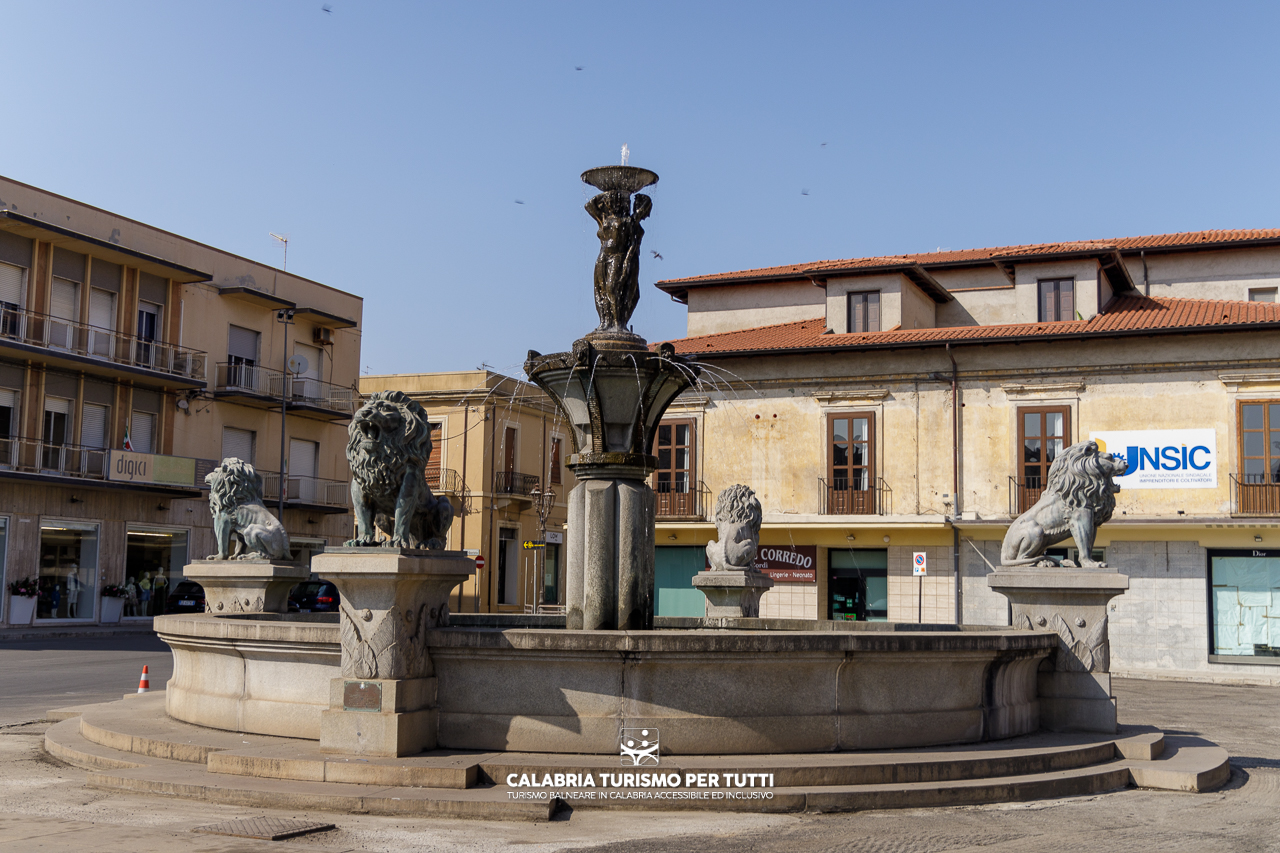
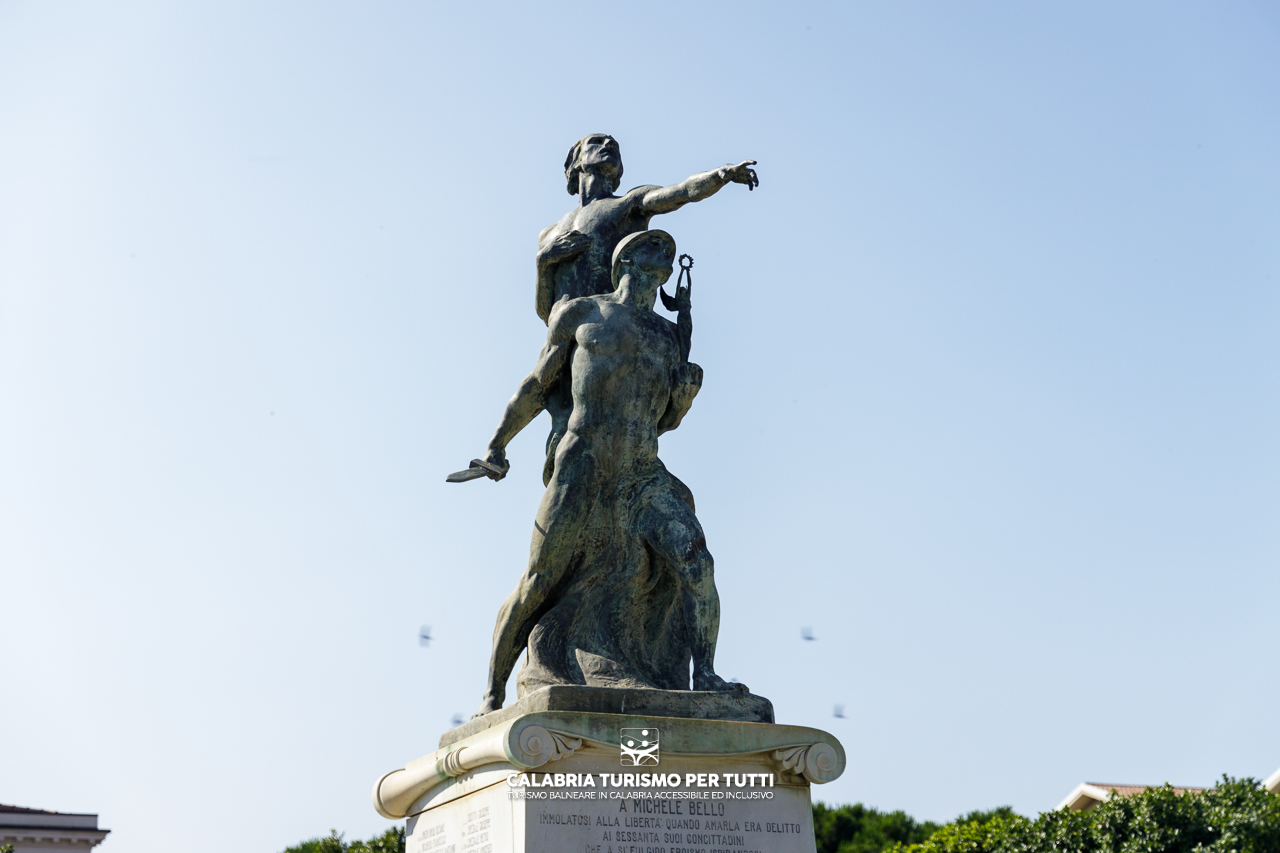
A walk along Corso della Repubblica reveals important squares, churches, and monuments, including: Piazza Vittorio Veneto, where the Town Hall stands, featuring the monument from 1924 dedicated to the fallen of World War I; Piazza Risorgimento and the Fountain of the Lions (Fontana dei Leoni); Villa Albanese, in Art Nouveau style, the oldest building in Siderno, dating back to the 18th century; and Piazza Portosalvo, overlooked by the Mother Church of Santa Maria di Portosalvo, the patron saint of seafarers and the people of Siderno.
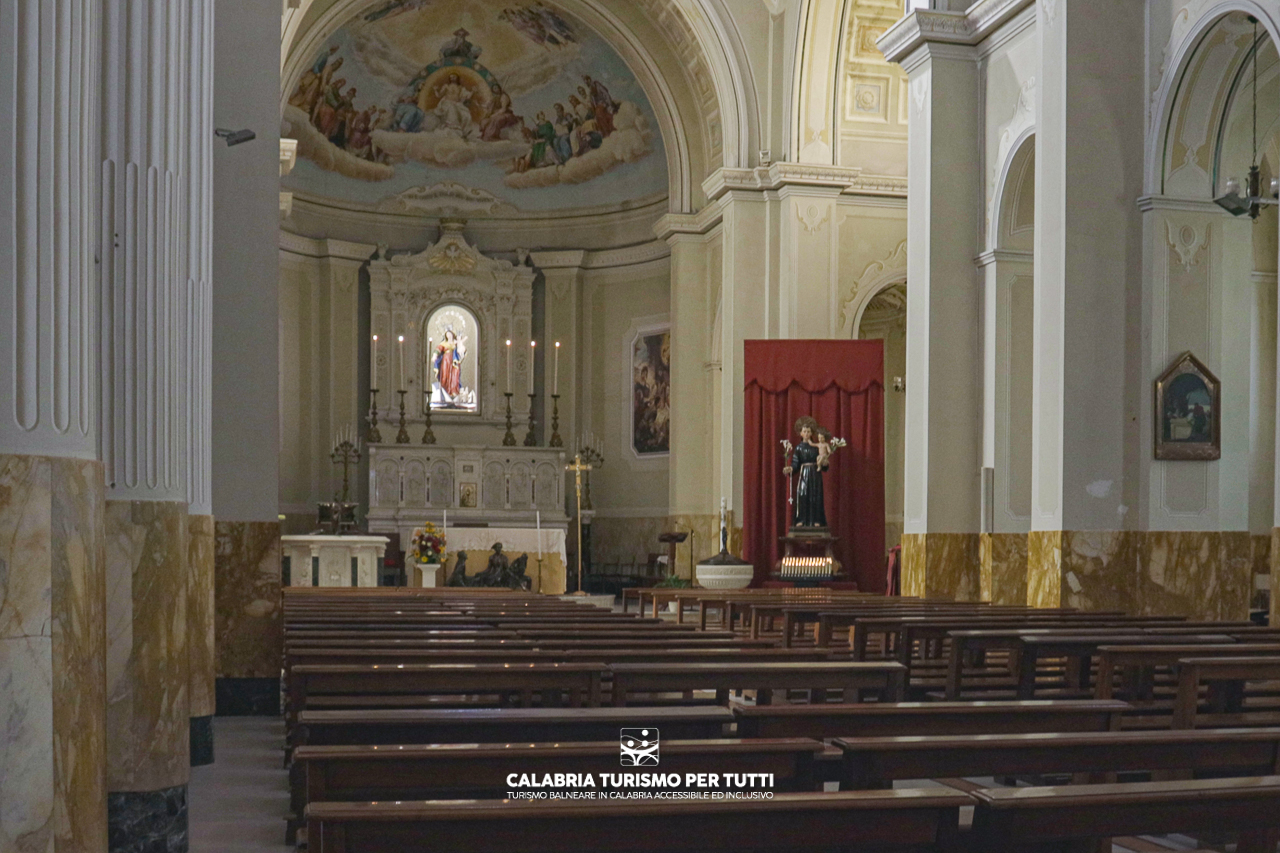
The wooden statue of Maria SS di Portosalvo, placed in the central apse of the church, is a valuable work created in 1819 by the sculptor Francesco Verzella. This statue is carried in a solemn procession—first to the sea and then through the city streets—during the patronal celebrations. What immediately strikes the eye upon arriving at this sacred building is the bronze portal, composed of eight panels with iconography depicting scenes from the life of Jesus and Mary, the work of Giuseppe Correale. Beside the church stands a 33-meter bell tower with four bells, each having a particular meaning: the bell placed to the north symbolizes the faith of the people, the one to the south the faith of the merchants, the one to the east the faith of the fishermen, and the one to the west the faith of the humble people.
Historical Itinerary - Siderno Superiore
However, one must move to the medieval village, fortified in the 16th century, to delve deeper into history. Only a few remains of the defensive walls are left, and the tower was destroyed by the 1908 earthquake. Amidst the narrow streets of the historic center, located a few kilometers from the Ionian coast, it is possible to admire noble palaces and churches that evoke the Southern Baroque style.
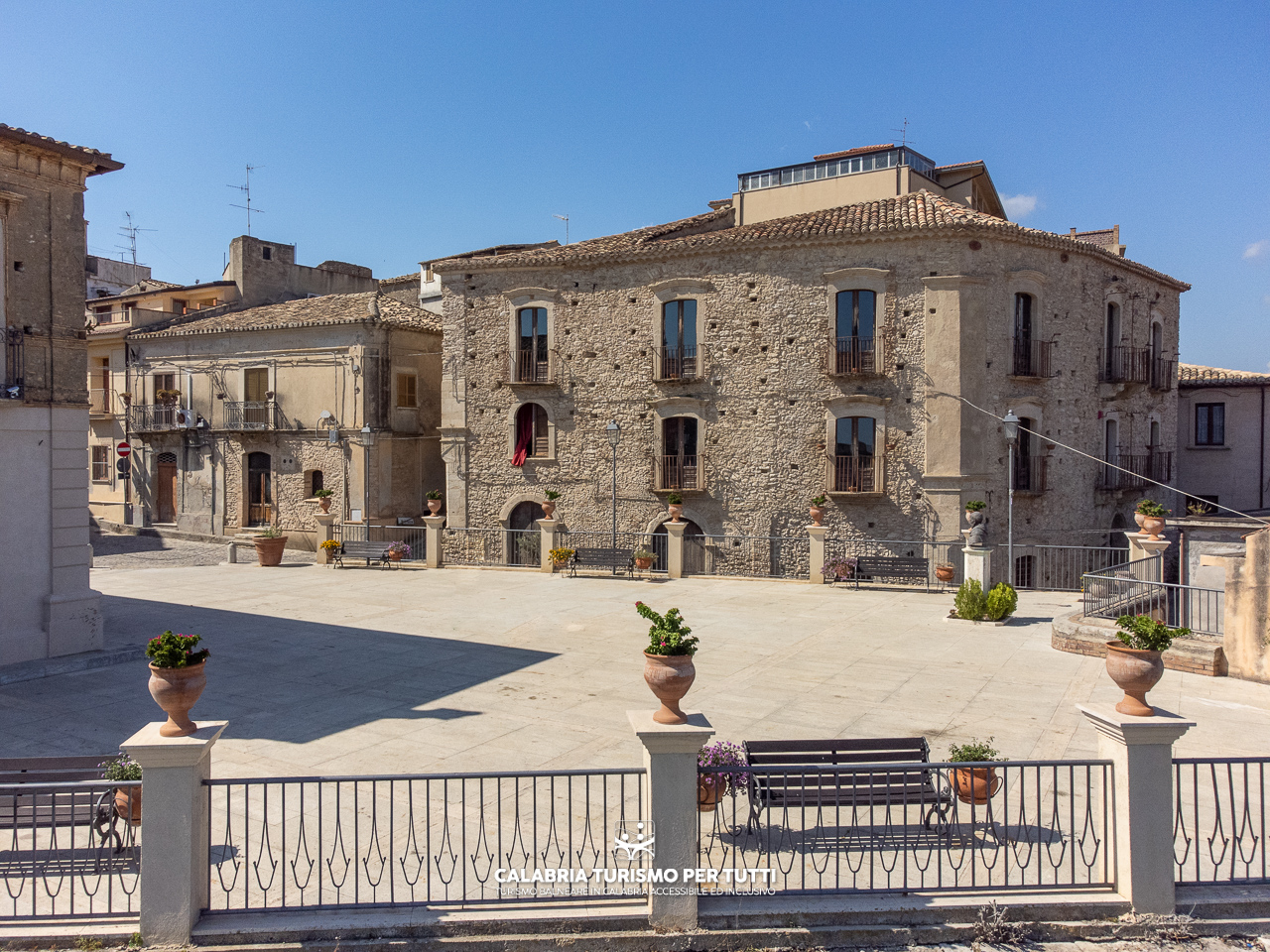
Walking through the historic center, your gaze will inevitably fall upon the 17th-century Palazzo De Mojà, with its characteristic stone balconies, where the Spanish noble family of the same name once lived. It has since been restored and hosts numerous events. Also dating back to the 17th century is Palazzo Calautti with a stone portal featuring a full-arch. Other notable structures include Palazzo Correale-Santacroce, an 18th-century palace whose portal features a sculpture depicting three human faces; Palazzo Englen, an 18th-century noble building; Palazzo Audino from the 19th century; and Palazzo Falletti from the 17th century, which has a stone portal with a full-arch and mixed ashlar, still bearing the family’s coat of arms. The Church of the Carmine is also linked to the Falletti family, as it was built as their private chapel.
Religious Itinerary - Siderno Superiore
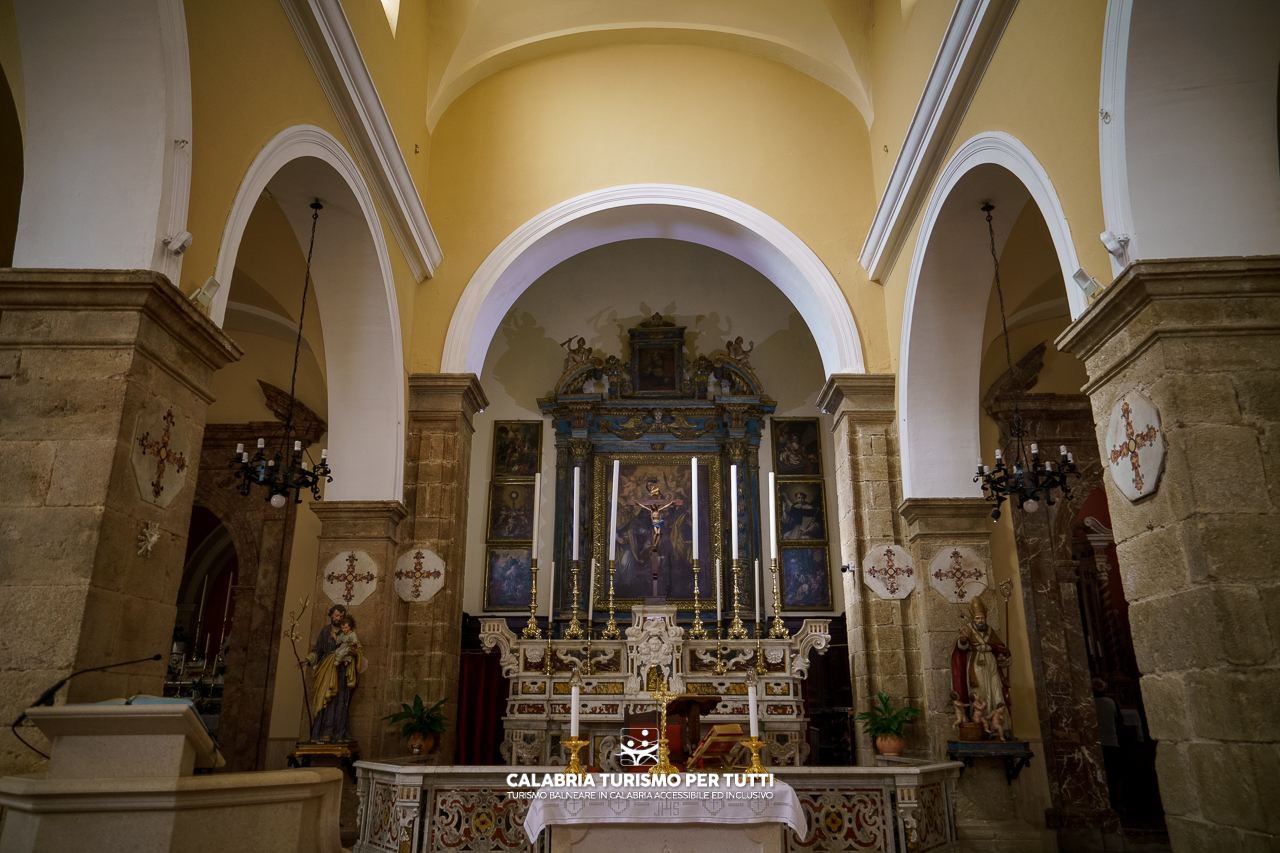
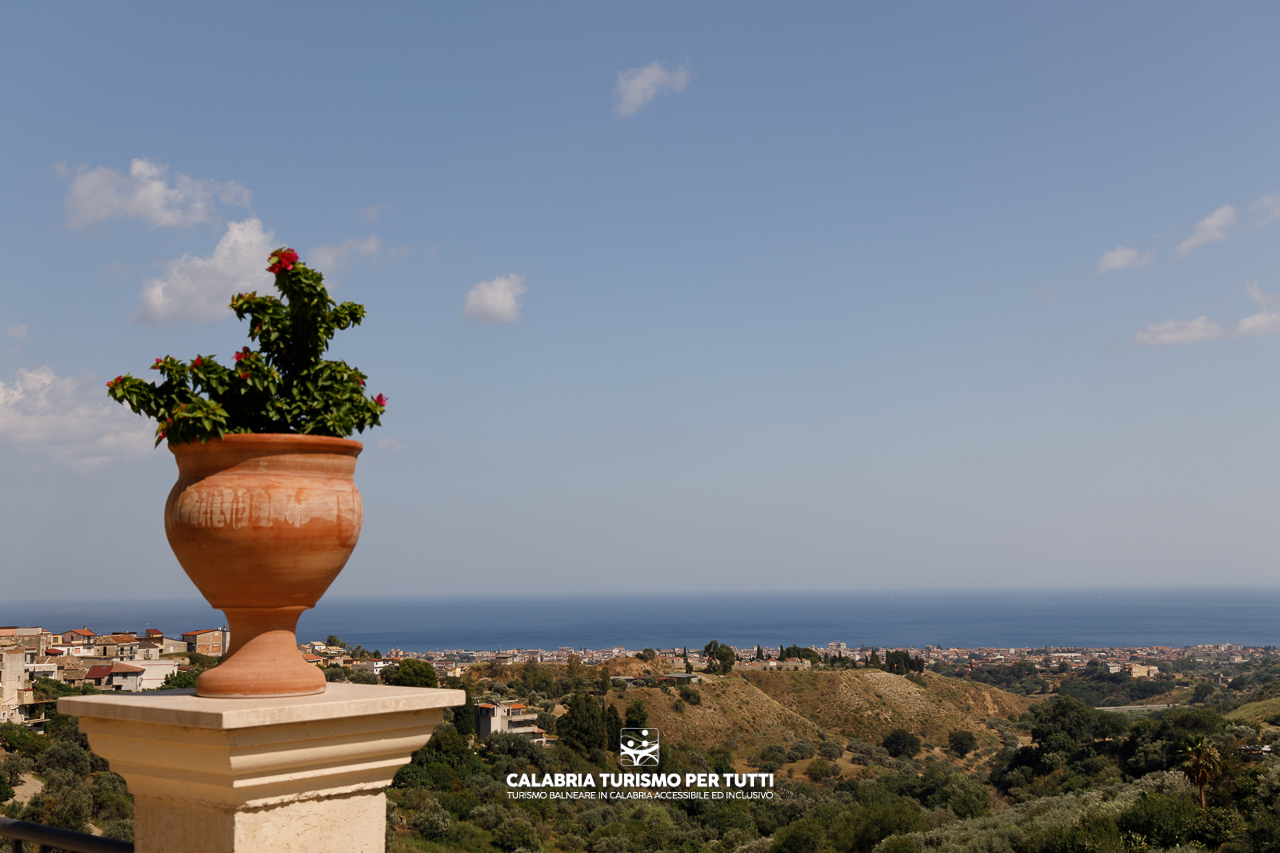
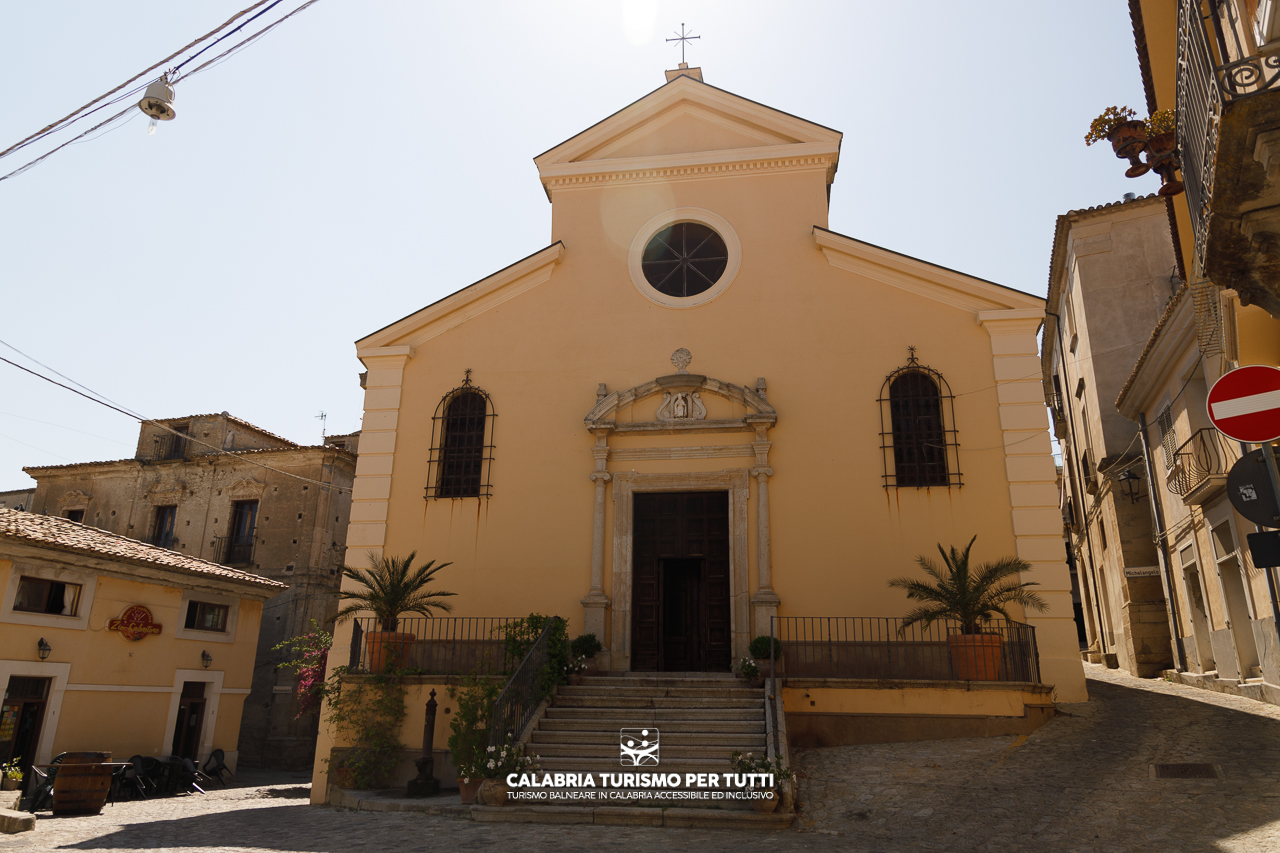
The oldest church in Siderno Superiore is San Nicola di Bari (St. Nicholas of Bari), which overlooks the square of the same name with a belvedere offering a view over the entire town down to the coastline. Its origins are believed to date back to the late medieval age, though it was rebuilt in the 17th century with a clear late Renaissance inspiration. Following various damages from the earthquakes of 1783 and 1908, it underwent several modifications. The church, with a basilical plan, features a Baroque-style high altar and several 18th-century canvases from the Neapolitan school. Inside, you can admire various statues, including those of Saint Nicholas, Saint Francis of Paola, and the Immaculate Mary, in addition to precious collections of silverware and liturgical vestments. On the portal, decorated with Ionic columns and surmounted by a curvilinear tympanum, a 15th-century marble statue depicting Saint Nicholas is preserved in a small niche.
The Church of San Carlo Borromeo (St. Charles Borromeo), most likely dating back to the late 16th century, features a façade with a tufa portal flanked by faux columns and surmounted by a broken pediment, on which the date 1854 is engraved. The interior, with a single nave, houses a late Baroque altar in polychrome marbles and some side chapels.
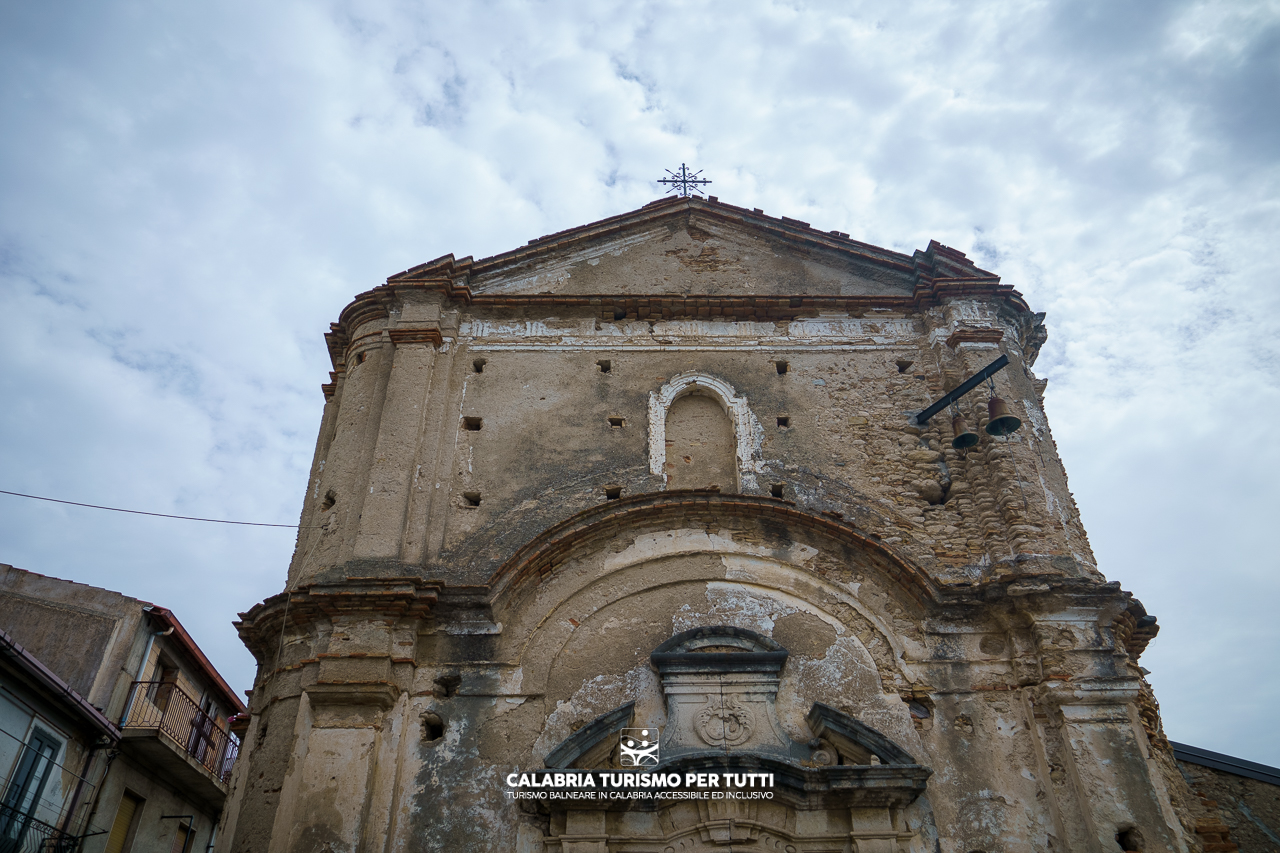
The Church of the Carmine (Chiesa del Carmine), built by the Falletti family as a private chapel around the 17th century, exhibits a late Renaissance style with a portal surmounted by a broken pediment and the family coat of arms. A bronze statue of the Immaculate Conception is preserved inside.
Finally, of the Church of the Most Holy Rosary (Chiesa del SS. Rosario), once annexed to the convent of San Domenico, only a few but significant elements remain: a bell from 1723 decorated with the effigies of the Madonna of the Rosary, Saint Dominic, and Saint Catherine, and some side chapels, including that of the Correale Santacroce family which houses a marble sepulcher from 1651 with the family coat of arms.